The EU is in decline. Asia shouldn’t be celebrating
Two analysts argue that Europe faces fragmentation and a bleak future, but those who cheer on this development should be careful what they wish for
Alex Lo has been an SCMP columnist since 2012, commenting on China and international affairs.
Europe is losing its ability to shape its own future. That is the conclusion of two essays published last week, one from within the Western foreign-policy establishment and one from among its sharpest critics. Neither predicts a sudden collapse, but both describe something slower and arguably more serious. Asia should take note, and it should not be pleased.
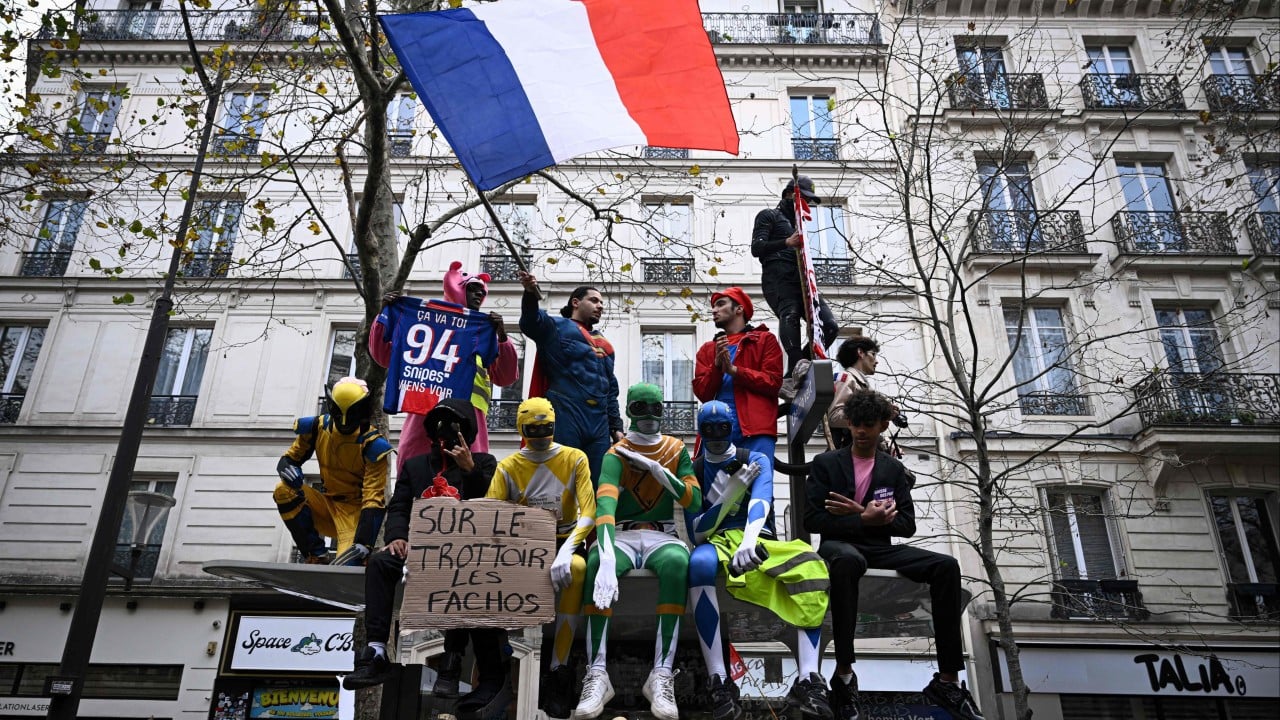
Writing in Foreign Affairs, Mujtaba Rahman, managing director for Europe at the political risk consultancy Eurasia Group, argues that the European Union faces “the gradual erosion of its capacity to act” rather than formal dissolution. The protests that have spread through France, Germany, Italy and Spain were not coordinated, he notes, but they share a cause: a belief that governments cannot provide affordable housing, functioning public services or economic security.
Rahman’s essay, “How Europe Comes Apart”, treats 2027 as the decisive year, with nine national elections across the bloc. He singles out four. In France, the far-right leader Marine Le Pen is the favourite in next April’s presidential election. Rahman cites an Ifop poll for Le Figaro, taken after October’s riots, that put her support at 36 per cent, while support for Edouard Philippe, the strongest centrist contender, fell to 15 per cent.